Project 1 COMPOSITION
Research – Still life genre from 16th century to present day.


What a joy to be able to see the Van Gogh exhibition at Tate Britain this summer. Went together with our local art group and had a wonderful time – my first time visiting the Tate Gallery – will certainly go again!
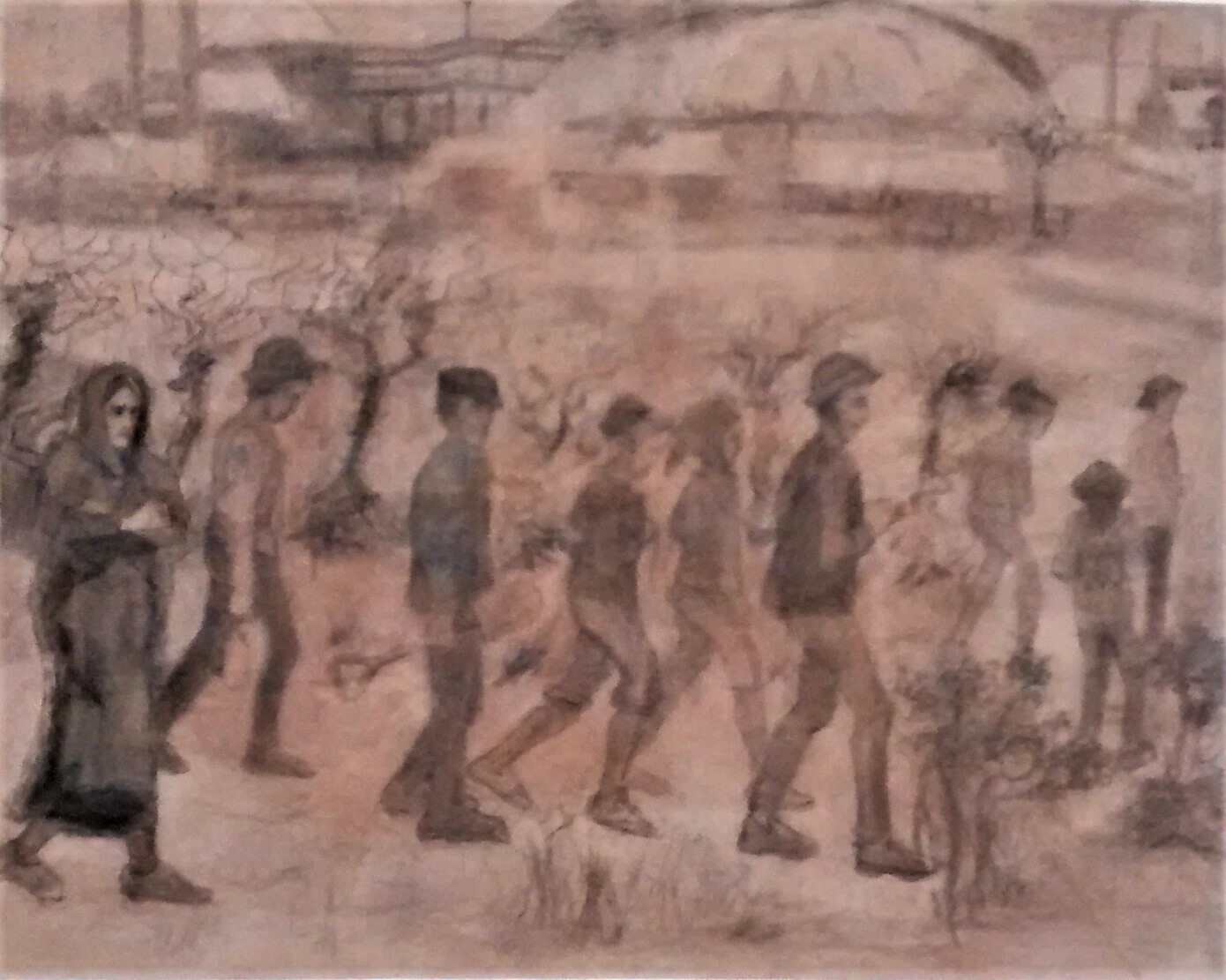
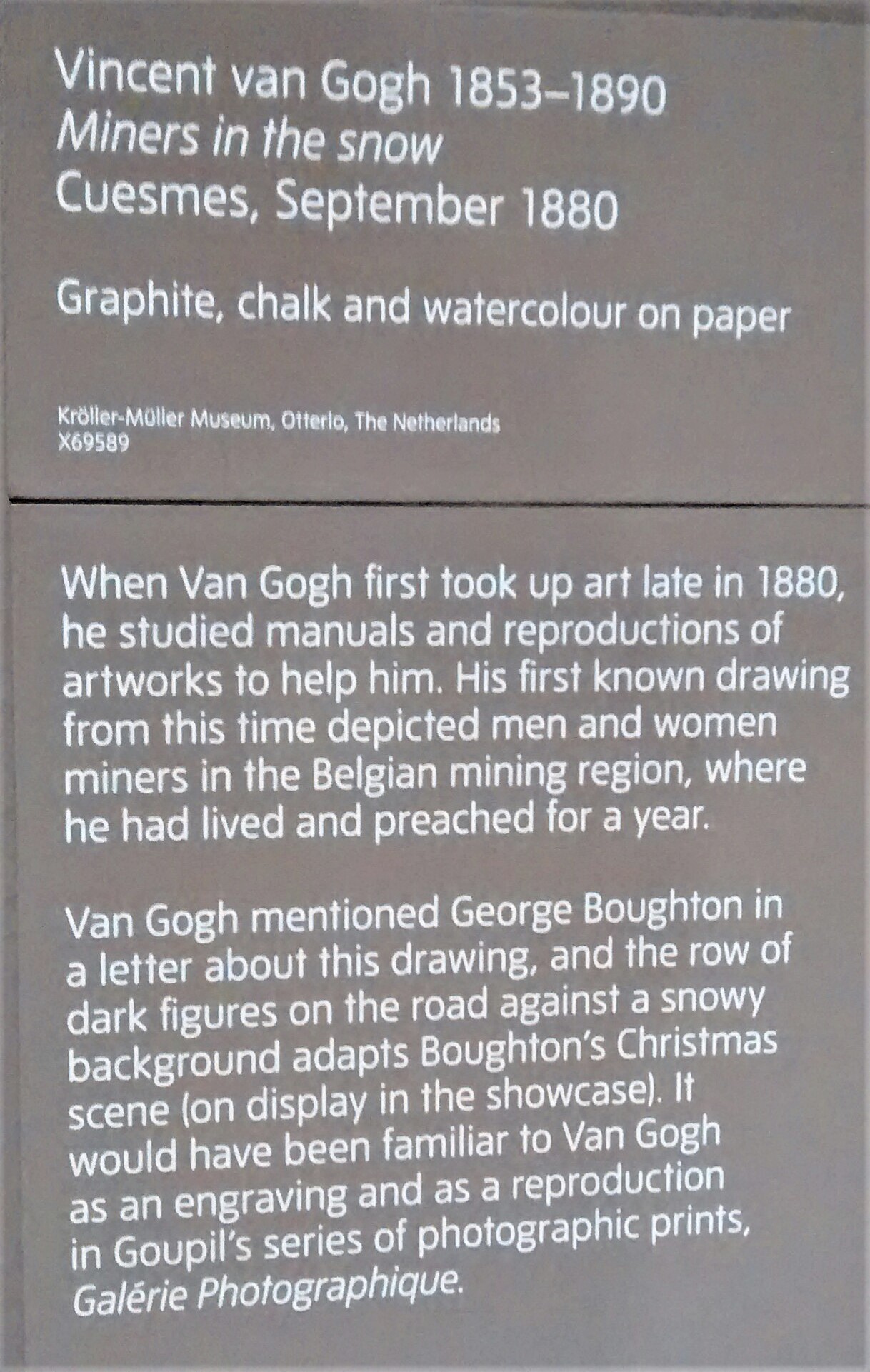
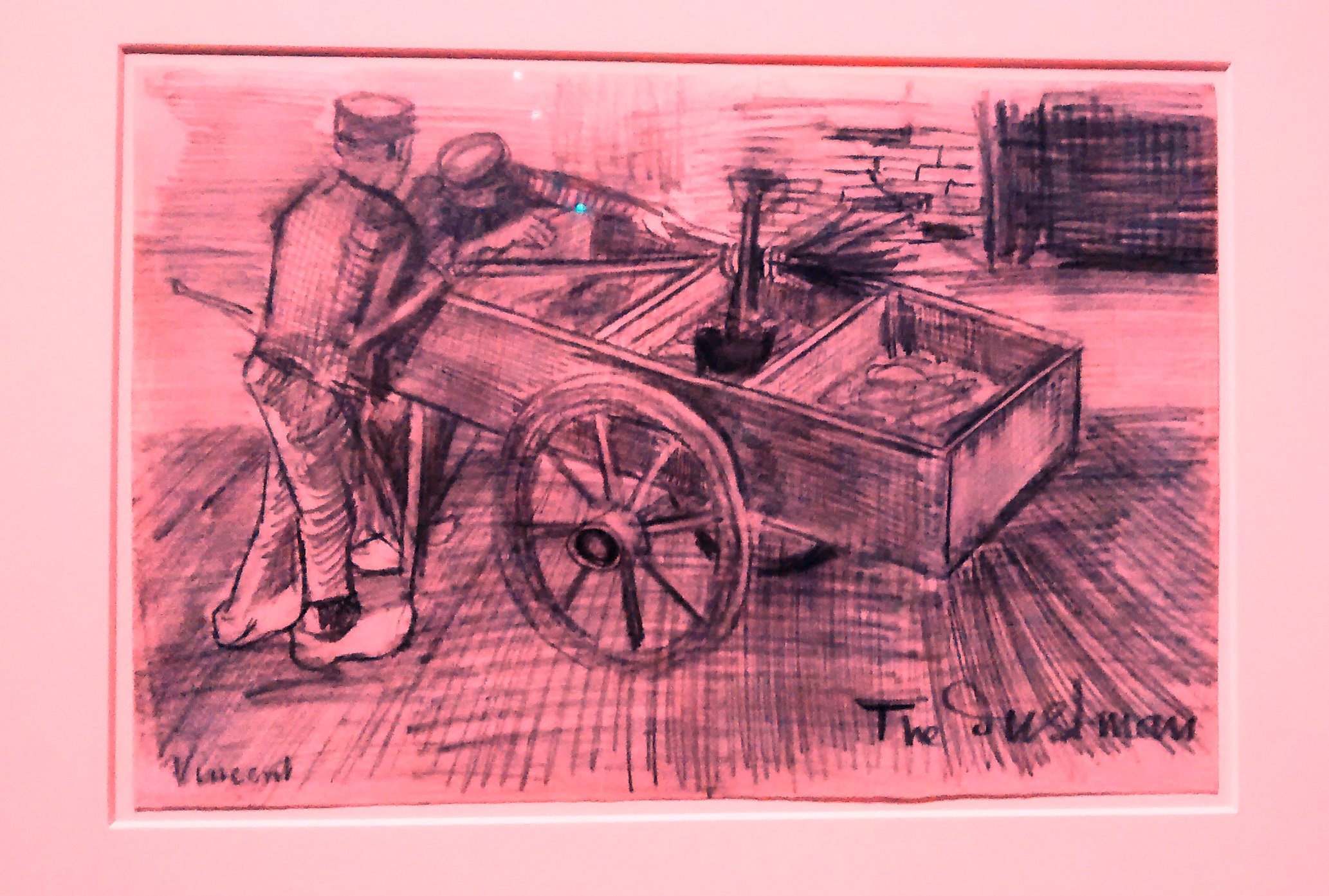
I was particularly interested in the pictures not done in oil as at that is relevant to me at the moment ( studying drawing skills ) I like the Miners in the snow drawn with Graphite, chalk and watercolour, it creates an atmosphere of cold and hard work. Also like the ‘Dustmen’ drawing ( didn’t capture the display text for that one ) . The quality of my images are not the best and because it was so crowded in the gallery I had to be quick!
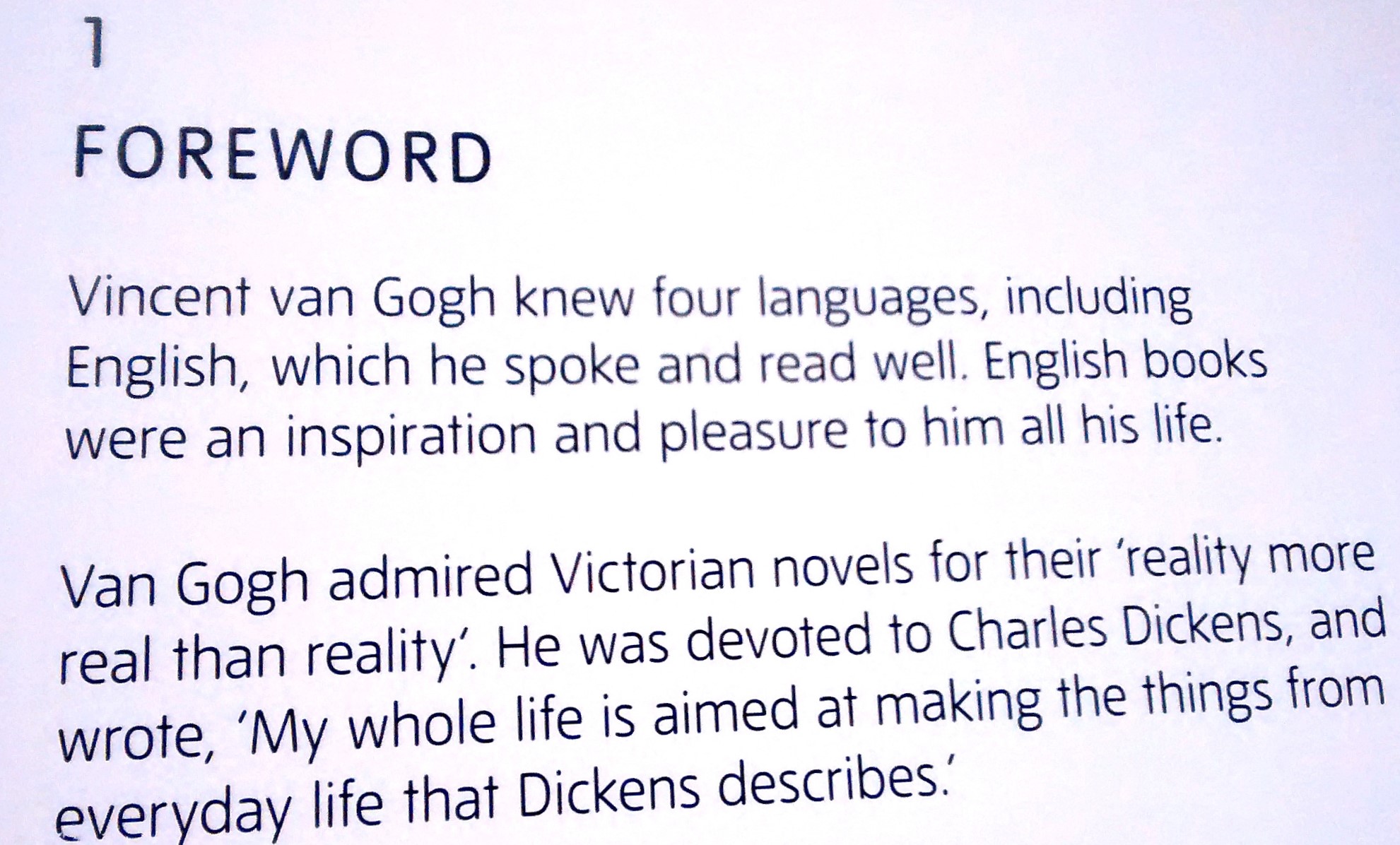
It came as a surprise to learn that Vincent read Charles Dickens books and seemed passionate to depict in his artwork the things that Dickens writes – see foreword below –
was happy to discover the ‘Still Life with plaster statuette ‘ ( bottom left ) as my studies are focusing on still life and I’m interested in the way artists choose different viewpoints in their compositions. As you can see this is painted from a high viewpoint which captures our attention and you wonder what is underneath to support.
Below is a sample of some of the artwork which inspired me –
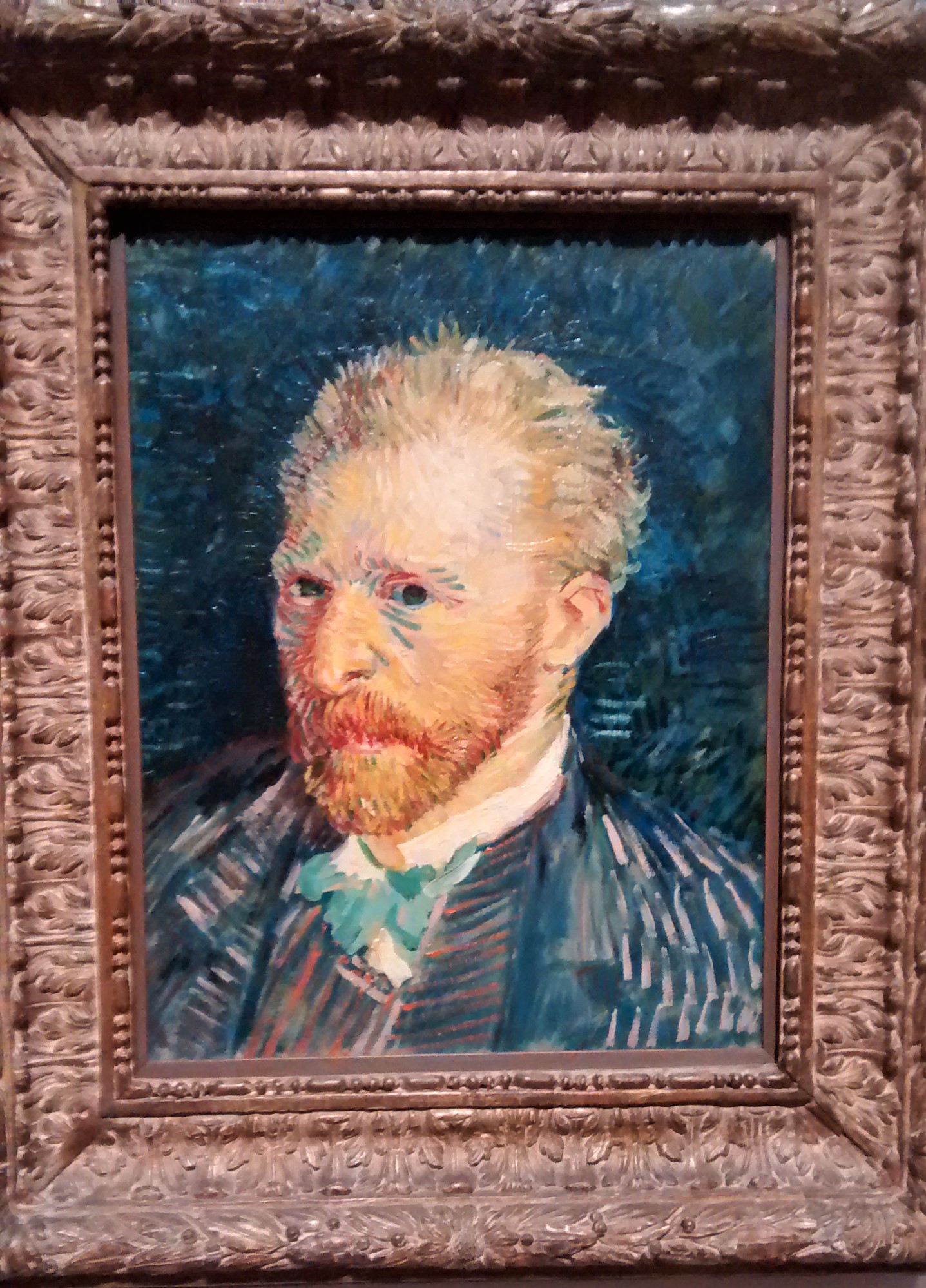
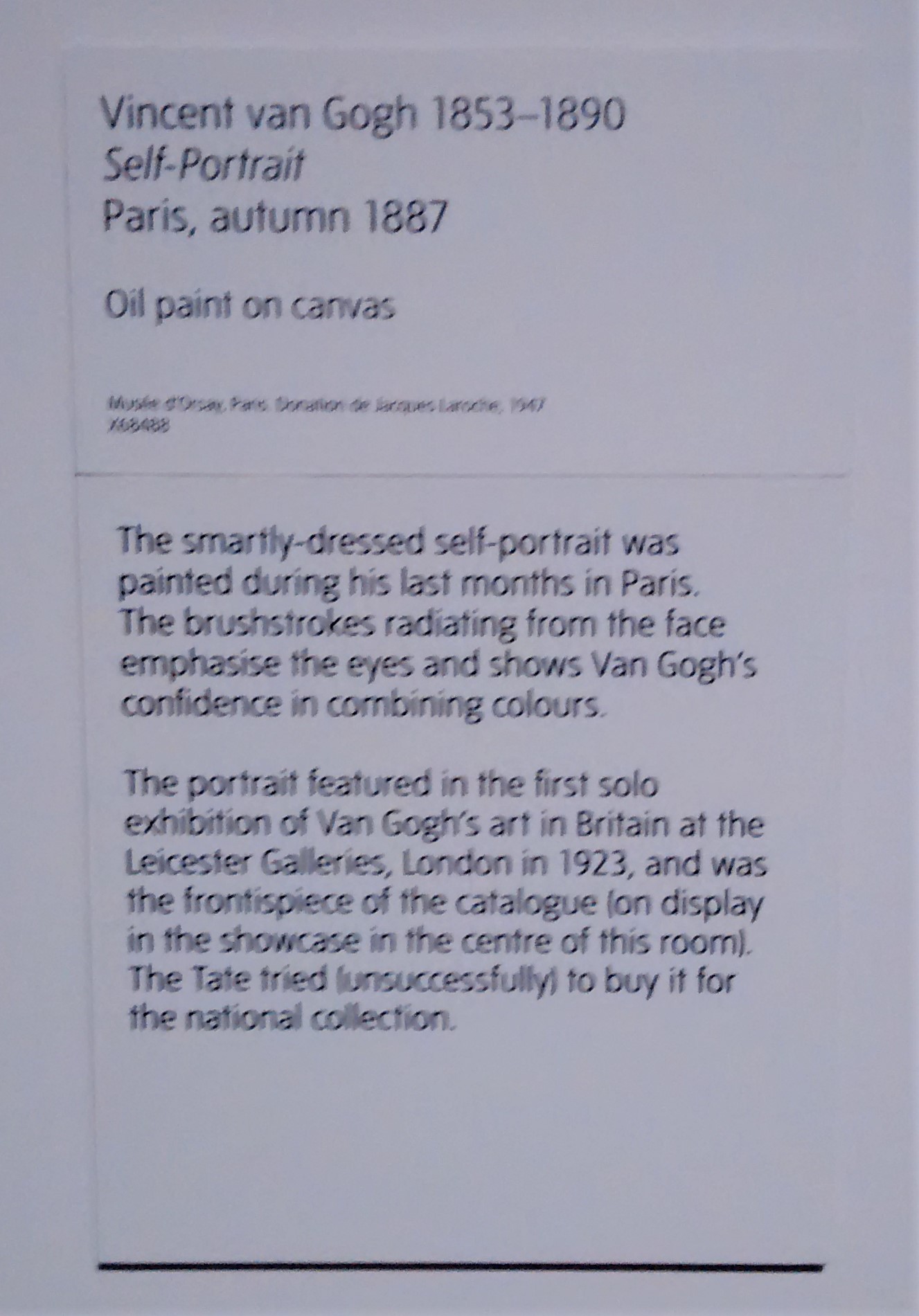
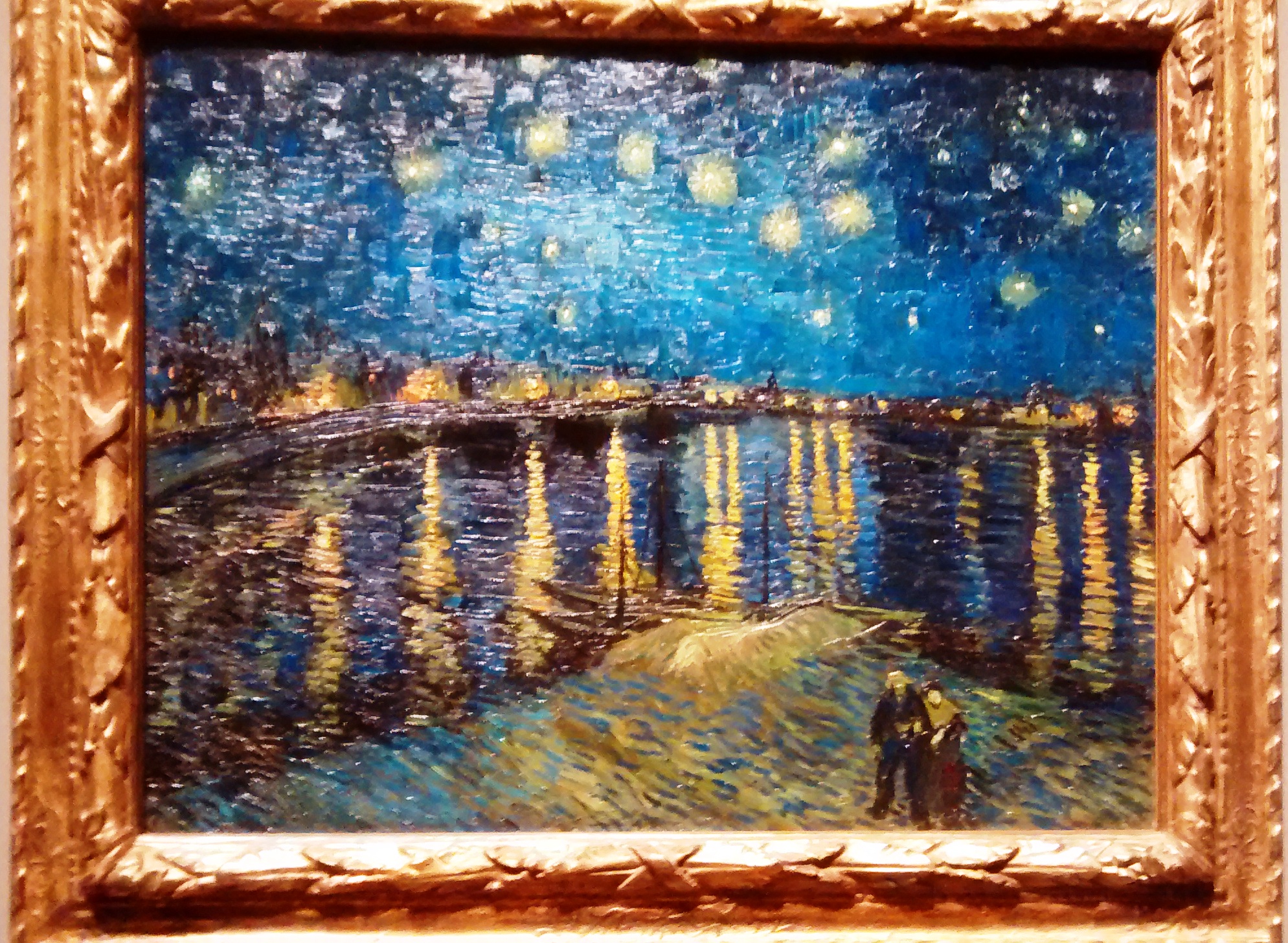
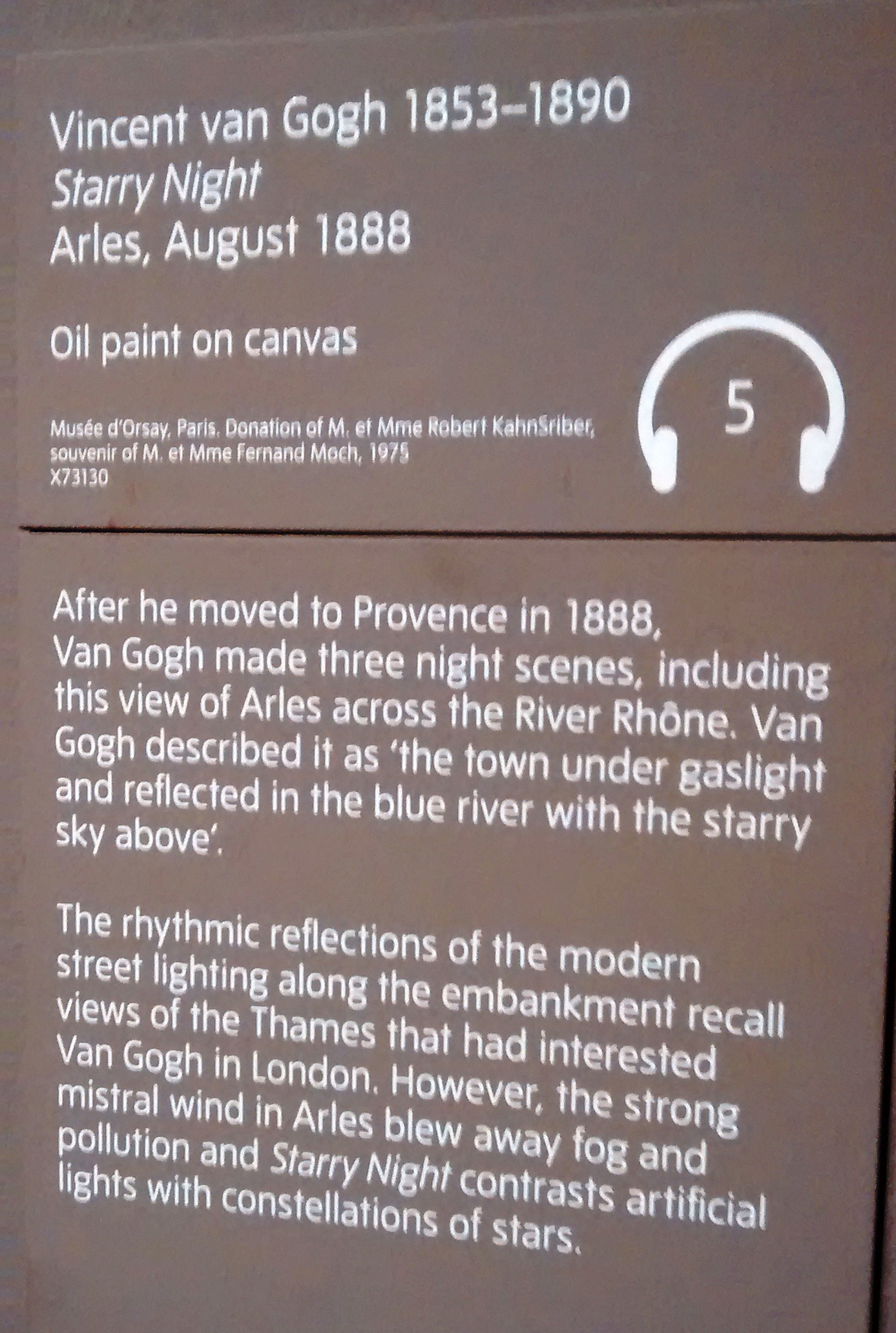



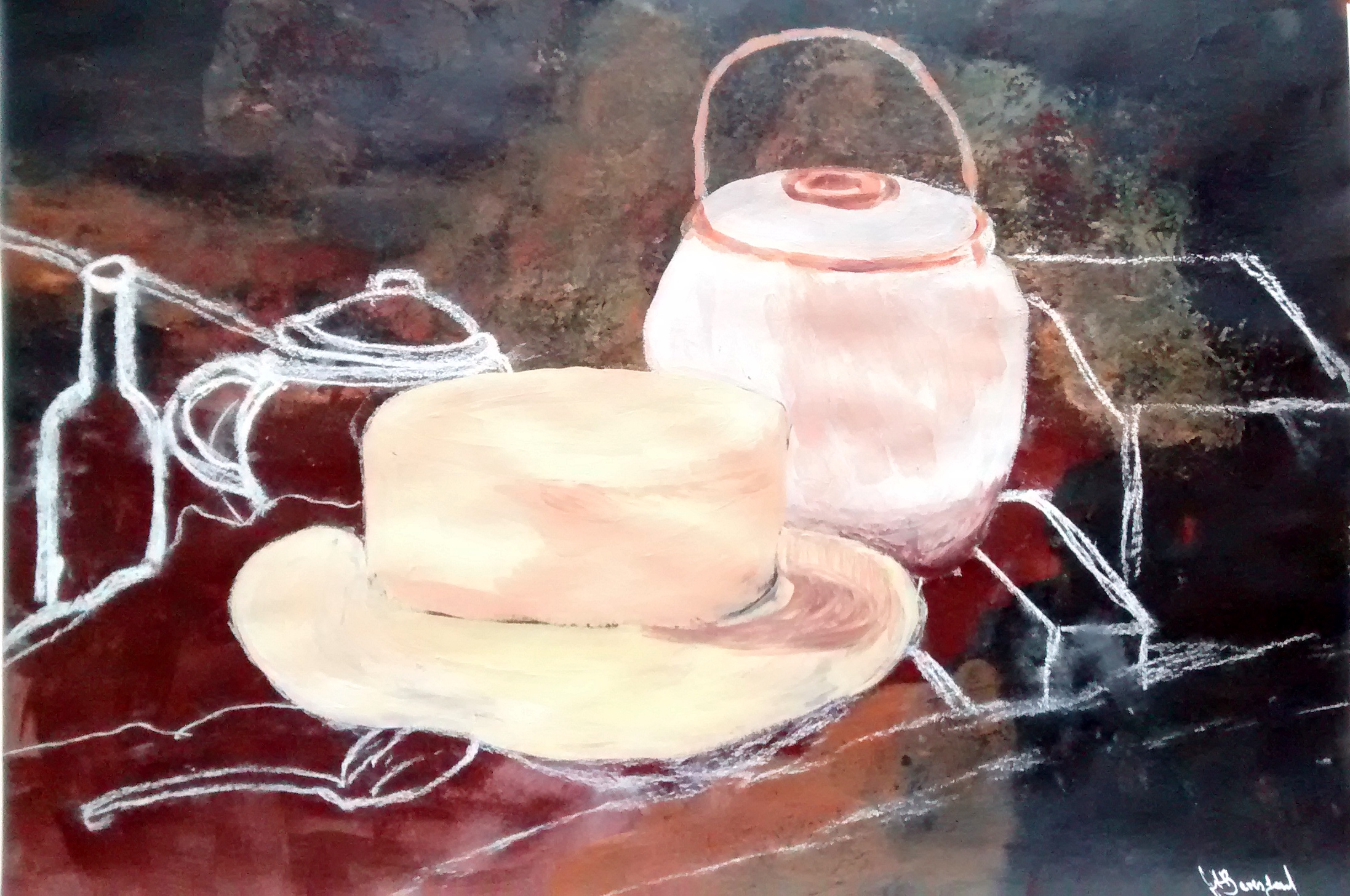
I painted a copy of Van Gogh’s ‘ Still life with yellow straw hat’ I used chalk pastel to map it out first leaving some areas to show the planning process, painted in acrylic on pastel paper.
List of illustrations
Fig.1. Flowers in a porcelain vase Ambrosius Bosschaert 1609 oil on panel https://www.the-athenaeum.org/art/list.php?m=a&s=tu&aid=5839 12.07.2019 23.12pm
Fig.2. Still life with the drinking horn of the Saint Sebastian archers’ Guild, lobster and glasses. Willem Kalf 1653 Oil on canvas 86.4cm x 102.2 cm https://www.nationalgallery.org.uk/paintings/image-download-terms-of-use-?img=n-6444-00-000015-wz-pyr.tif&invno=NG6444 09.07.19 14.49pm
Fig.3. Still life with water jug Paul Cezanne 1892-93 Oil on canvas unfinished
www.tateonlinegallery.org.uk 12.08.2019 14.04pm
Fig.4. Still Life with a bunch of grapes Georges Braque 1912
https://widewalls.ch/still-life-artists/henri-matisse/ 09.07.2019 14.56pm
Bibliography
Anon (2005) Vitamin D New perspective in Drawing Phaidon
Cooper, P. (1995) Cubism Phaidon9780714832500
Hardwicke, K and Sims, N. (2017) Artists drawing techniques London. Dorling Kindersley LTD
Hosegood,B (n.d.) Still Life SA Rotovision ISBN 2-88046-477-3
Jerome, B Drawing lesson on Cubism YouTube [Accessed: 17.07.2019]
Malpas, J (1997) Realism Tate Gallery
Millet, L (2002) Little book of Matisse France, Flammarion ISBN 2-0801-0885 9
Nguyen,D (2015) Drawing Techniques and Tips [online]. Available from: rapidfireart.com [Accessed: 05.07.2019]
Rizzi , J (2019) Pierre Bonnard Tate Gallery


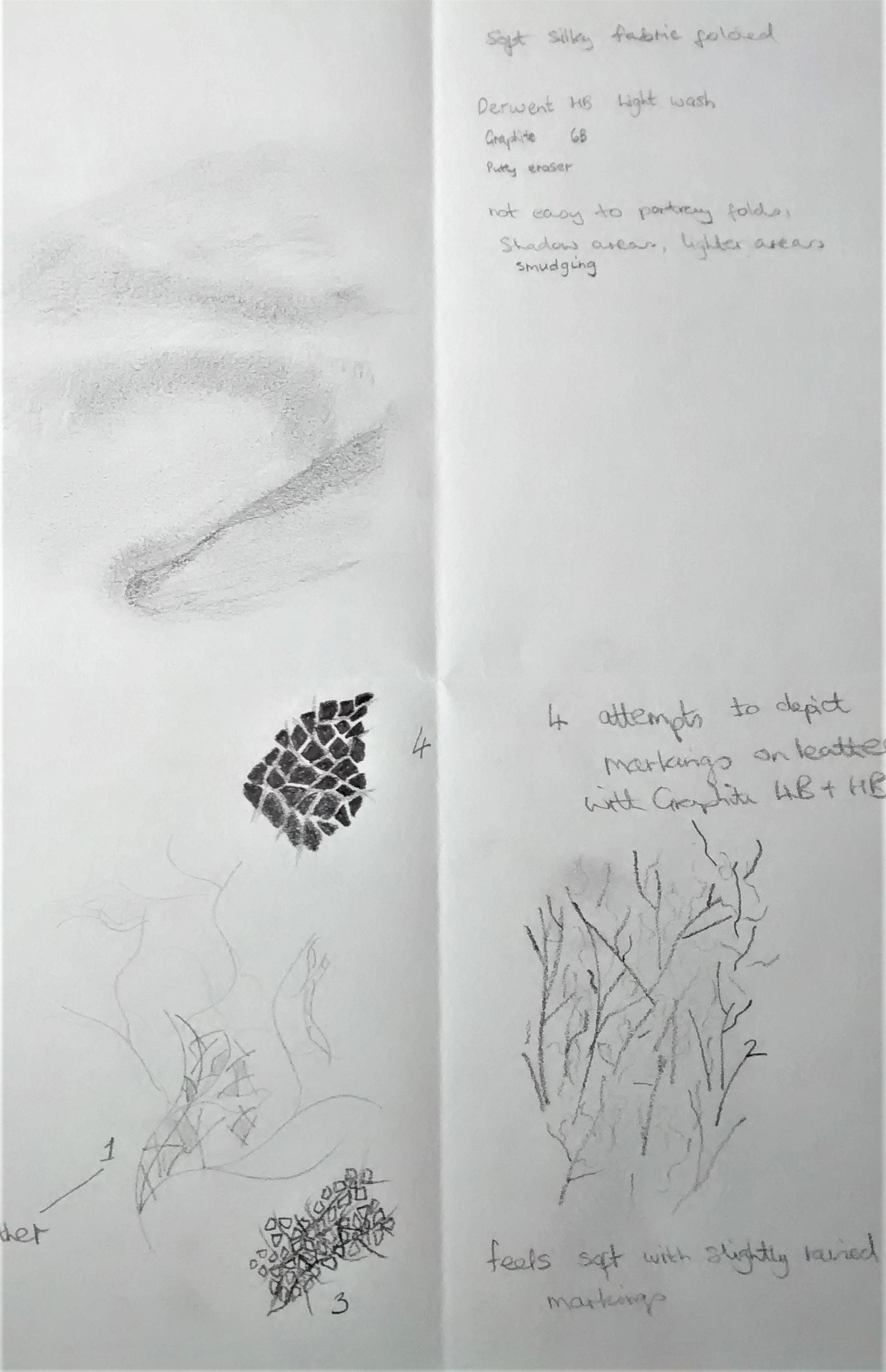
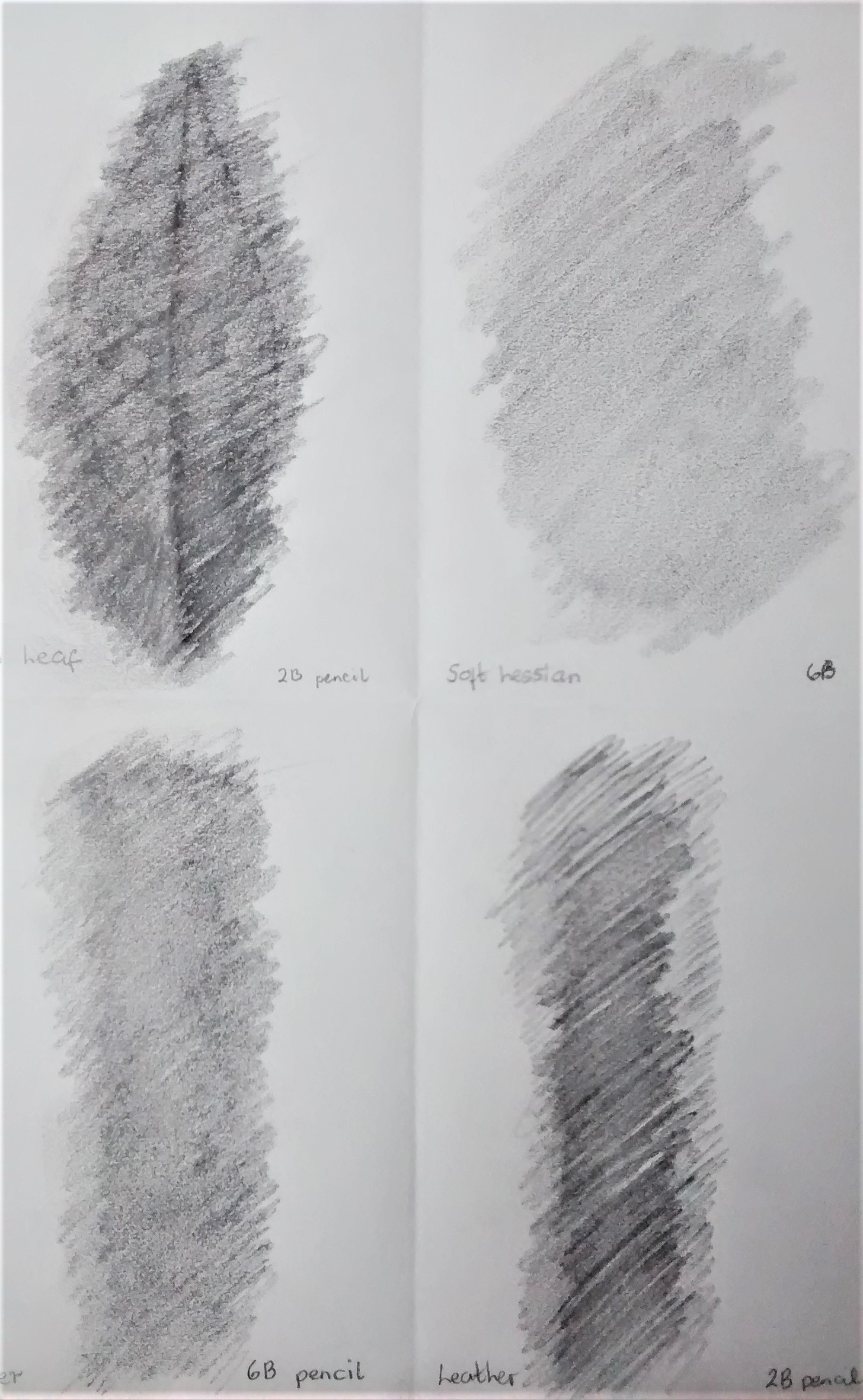
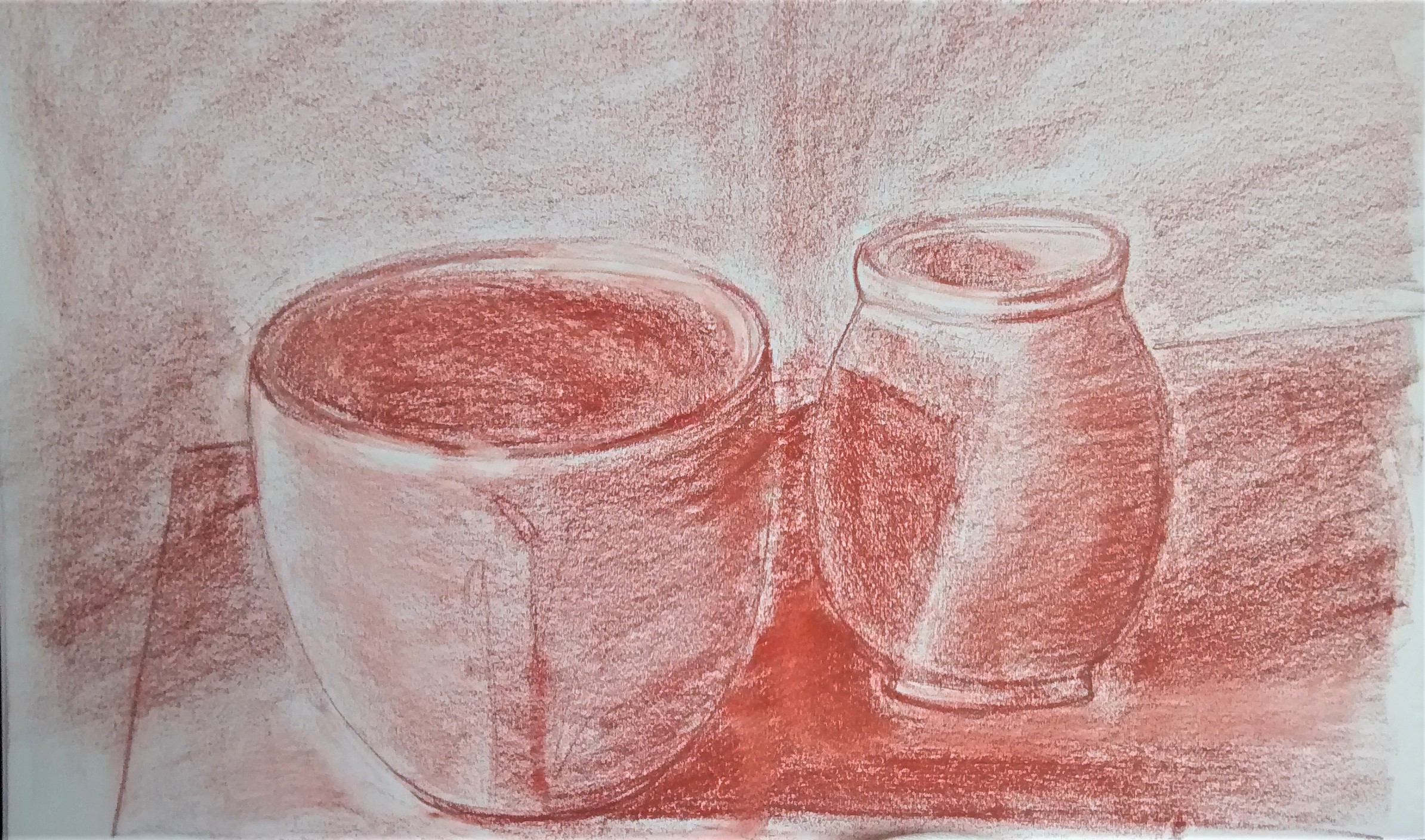

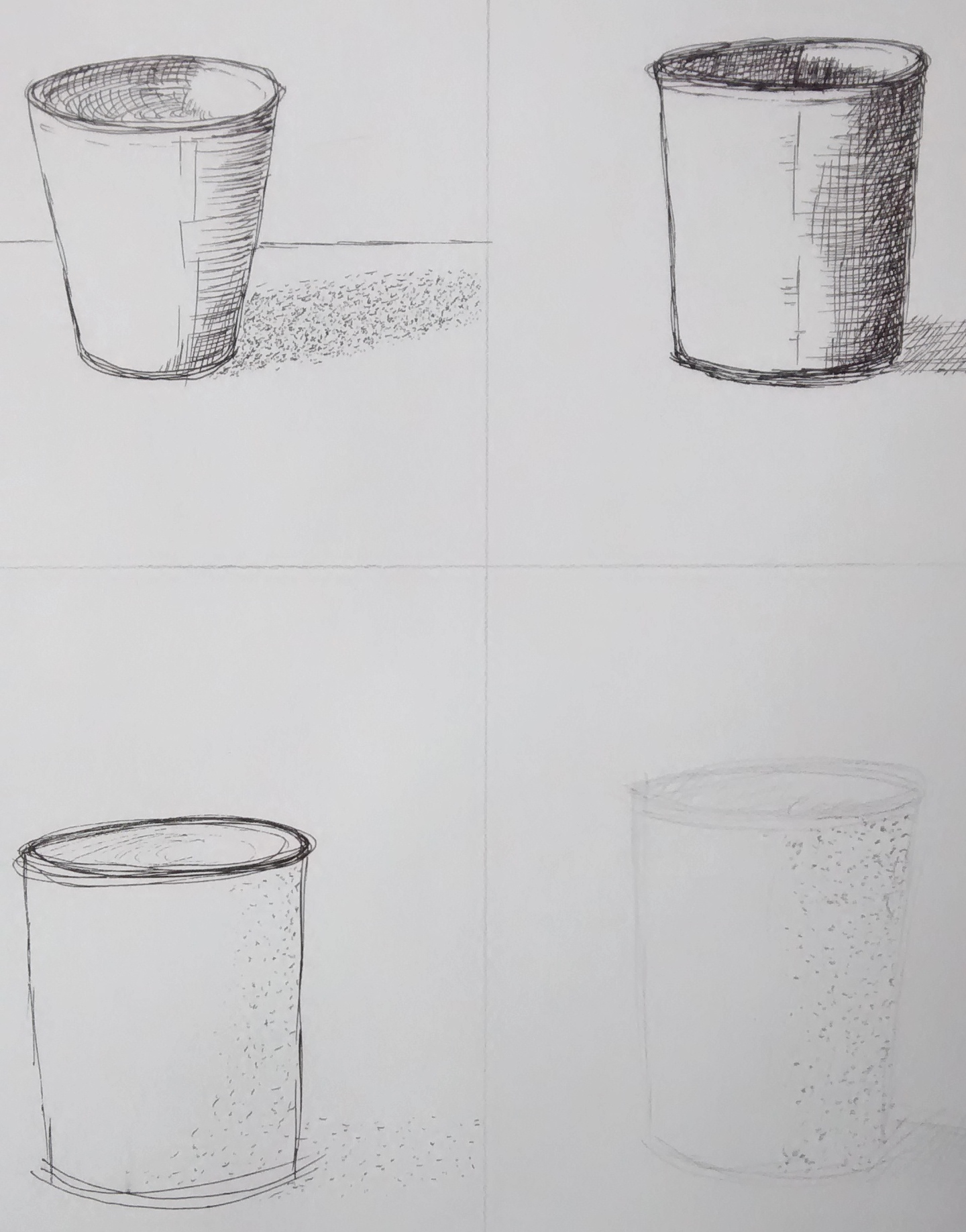

 Art Journal